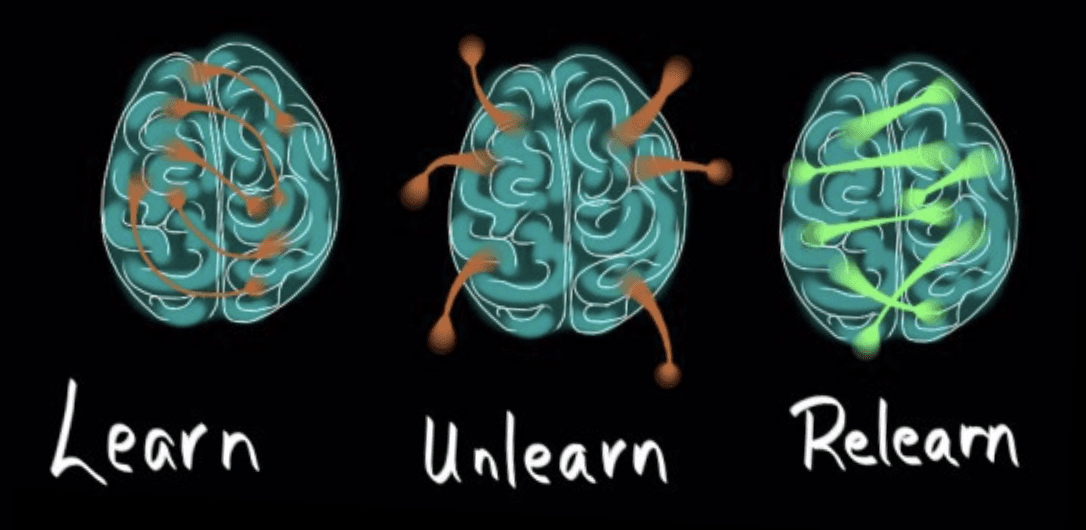
I don’t know about anybody else, however, my expectations going into this class have been completely thrown out the window. While reading the prompt for this assignment, I struggled for awhile to come up with something to write about; not because I haven’t learned anything, rather there is so much I have to UNLEARN. Now that we are going into week four of class, I feel like there are already so many things I thought I knew about teaching writing that have been challenged or outright refuted. I expected to learn how to effectively teach students “important” skills such as the five-paragraph essay 🤢 or how to only prepare students for standardized tests 🤮. I am not only relieved, but also excited that this is not the case and that this course encompasses so much more than what I expected.
One of the major things I’ve learned so far is what authentic writing truly is. As defined by Professor Lindblom and Leila Christenbury in their book Continuing the Journey 2: Becoming a Better Teacher of Authentic Writing, “authentic writing is real writing, written for a real audience, for a real purpose, in a real forum.” (pg. 6) Almost every part of this definition immediately struck me with a question: What is considered real writing? What is a real audience? What kind of purpose can classroom writing serve?

It was then that I realized just how outdated and uninspired my idea of writing in school truly was. However, I think my previous teachers are more to blame for that considering only a select few ever taught me the importance of writing in a non-academic setting.
I’ve always enjoyed writing, so I never really had an issue with writing assignments in high school. Yet, I can totally see how students who self-position themselves (I believe I am x, therefore I am x) as poor writers and don’t enjoy writing kind of become a self-fulfilling prophecy when teachers do not show them the real world application of writing. Therefore, I believe introducing our future students to authentic writing AND ensuring that all our students know that they all have the capacity to write (NCTE: Guiding Principle 2.1: Everyone is a writer.) are effective ways to engage and motivate our students to become better writers.
Another thing that I have learned that coincides with my previous point is the ability to give students more agency when it comes to how they are assessed. As I mentioned in my previous blog post, as a future teacher I am really concerned about unintentionally being too harsh when grading my students’ writing.

That is why I absolutely loved the process of creating a student-teacher rubric as demonstrated in one of our previous classes. I thought this was such a wonderful idea to not only allow students to be involved in their own grading process, but also for the teacher to have a better understanding of what the students’ expectations are.
According to a post on the website Teachers First, this type of process has also proven to engage and motivate students to want to complete the assignment due to it being intrinsically motivating. Although I’d imagine this type of process can backfire in some cases where students don’t take it seriously (“Just give us all A’s!”), I believe it has the potential to reshape the structure of the writing community within a classroom.
As we continue our journey (see what I did there?) in this class, I am excited to have more of my thoughts challenged and learn more skills to be an effective teacher of writing.

 Sean's Blog
I loved this blog post, Sean! Not only was it full of great content but the images and gifs you chose were funny and relevant to what you were expressing. I liked that you mentioned this sort of self-fulfilling prophecy that students could easily fall into as writers. Giving students opportunities to write in more than one “setting” with multiple styles can maximize the chances of a student finding a way to express themselves in their most preferred way. When a student is enjoying doing something, this can build confidence and with that confidence, students can perform to their highest ability without limitation. I’m also a fan of the teacher / student collaborative rubric. Allowing students to have input on the things that matter to them is very important and will motivate them to not only reach the teacher’s standards, but their own standards. Learning shouldn’t be a competition with anyone but oneself. On a final note, I loved the “continue the journey” joke, even though it was incredibly corny. I have a soft spot for awful humor! I loved your post and look forward to reading more as we continue our journey together in this class.
LikeLike
I find myself a bit defensive of teachers when you blame them for the lack of authentic writing. You’re not wrong–and I know you learned about this from me, too–but there is a large system at play that encourages teachers NOT to teach authentic writing. Teachers are overworked, strongly encouraged to obsess over standardized exams, and aren’t given the professional time to become writers themselves. These things all make teaching authentic writing a tough sell. It’s less useful to assign blame than it is to push past these barriers and do the good work anyway. You have an advantage since you’re learning about these things in your pre-service days.
LikeLike